Wednesday, August 19, 2015
What to do on your first TV writing gig?
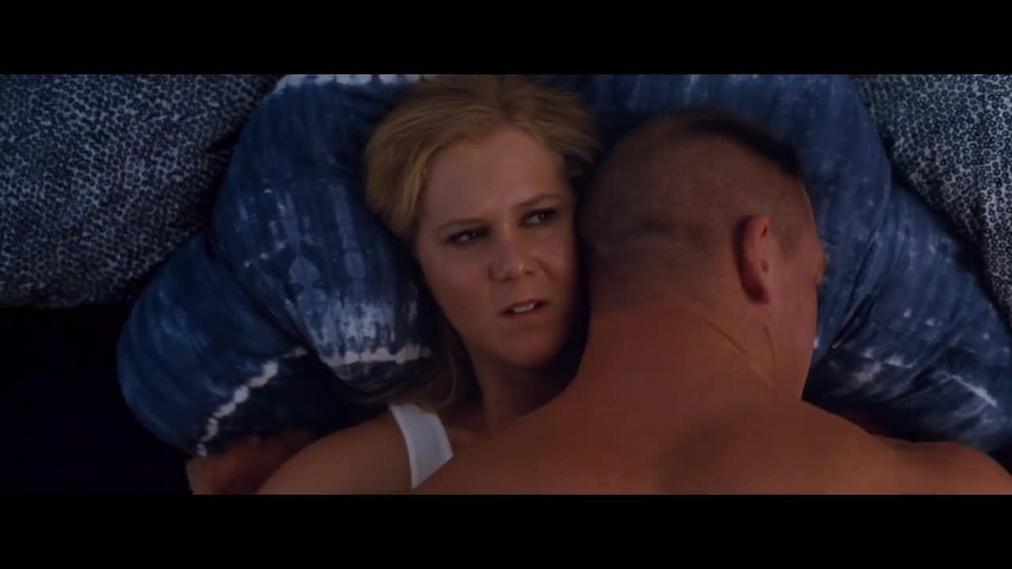
Regular readers of this blog know that when I can't find an appropriate photo to accompany a post I feature photos of Natalie Wood. This is now one of my favorites.
Here’s one of those Friday Questions that thanks to long-winded me now becomes an entire post.
It’s from Sarah.
You've written about how to get that first TV writing gig (all of which has been tremendously helpful, thank you!) but I can't seem to find anything you've written about what to do AFTER you've landed that first job. I'll be starting my first staff writer job on a mid-season comedy really soon and I'm a bit nervous.
What did you expect from the baby writers on your staff?
What advice would you give a first time staff writer?
Great question and first off, congratulations on the new gig, Sarah.
The first piece of advice would be to LISTEN. Become a sponge. Soak up everything. How does the showrunner break stories? What are the actors’ strengths and weaknesses? What kind of jokes do or don’t work? How tolerant is the showrunner on arguing story points? How can you best contribute?
If there’s a lot of room writing, get a sense of the room dynamic. There will usually be a few writers who drive it. Study them. Get into their thought processes if you can. And don’t get in their way. Learn when to slide in with your own pitches.
Room etiquette is something else to learn and observe. Rule number one: Pitch something ONCE. If the showrunner rejects it for any reason move on. Do not keep lobbying for it. And don’t sulk or become resentful. I worked with a truly hilarious writer on a couple of shows; maybe one of the funniest room people I’ve ever met. There were times I was in awe. But he was very moody. If he pitched something he thought should go in and was rejected he would clam up the rest of the night. Eventually, he wasn’t asked back despite his brilliance. Play nice with others.
Don’t text in the room unless you’re on a break. Don’t check email unless you’re on a break.
And if others do it, don’t YOU. If others are breaking these rules, don’t YOU.
Don’t be the grammar police. Don’t just pitch that things don’t work. Offer a possible fix or better way to go. Anyone can say “this doesn’t work.” Writers solve the problems.
What happens in the room STAYS in the room.
Understand that the showrunner steers the boat. You just row in that direction. You may not agree with the direction but be a good team player and row like crazy. Someday you’ll become a showrunner and others can row in your direction and inwardly bitch.
Be professional. Always show up on time, always be prepared (read the outline or script you’ll be working on beforehand), and bathe.
Be supportive of other staff members. Yes, you’re in competition to a degree – all hoping to get your jokes in. But acknowledge and appreciate when your fellow writers lob in something good. Make friends.
Since you are the baby writer you will not be expected to shoulder the burden of the show. Showrunners would rather you hang back and listen then to try to dazzle everybody by pitching incessantly. The more you get comfortable the more you will be able pitch good stuff. That said, don’t just sit in the room the entire season like a lox and say nothing.
And finally, have fun. Don’t constantly be grading yourself. “Did I pitch enough today?” “Was I funny enough?” “How do I stack up to the story editor?” “Am I falling behind on Donald Trump jokes?” etc. You worked very hard to get there, allow yourself to enjoy the experience. Again, congratulations.
Tuesday, August 18, 2015
TRAINWRECK: My review
Okay, I’ve given it over a month so I’m assuming most people have seen TRAINWRECK. If not, SPOILER ALERT. Come back tomorrow.
Like I said before, it’s waaaaay too long. Lots of scenes that don’t advance the story. And the audience is way ahead of you through most of the movie. When that happens, get to it already.
But there were a lot of funny moments and a few hilarious scenes, and LeBron James is now the funniest actor in Hollywood.
I love Amy Schumer. She has elevated slut to a high comic art. Her material is sharp, her delivery is pitch-perfect, and she is currently the queen of the zeitgeist. I don’t know why anyone thinks Lena Dunham is the voice of her generation when Amy Schumer exists on the same planet.
But I had a problem with the relationship in the movie. And it may just be me. If it is, I’m sure I’ll hear from you.
My problem is this: In any romantic relationship I need to know why each person is attracted to the other. They can be opposites, come from different backgrounds, huge age difference (except in a Woody Allen movie, it's creepy already), but I need to believe there’s something each person is getting from the other that is so great they fall in love.
I totally get why Amy falls for Bill Hader’s character. Here is the first real decent guy she’s met. He goes with her to see her father, provides medical care, doesn’t play mind games, puts up with her bullshit, has a personality (isn’t just a nice slug like her brother-in-law), and apparently the sex is good. (Her big complaint was that when he went down on her he… I forget what her big complaint was, but so did she.)
On other hand, why does he fall for her? Now step back for a moment. Forget that Amy Schumer is enjoying a massive pop culture glow and is clearly the current flavor-of-the-month. Don’t think of Amy Schumer, think of “Amy” the character. She pushes Hader away, doesn’t even want him breathing next to her in bed (a very funny scene), jumps down his throat when he says her loves her (not his fault it came at a funeral), refuses to say she loves him, is forever guarded, is constantly selfish, dresses inappropriately, and the one time he wanted her presence she ducked out to take a phone call. And the reality is, all the cute little quirks that are so endearing in the beginning of relationships become so fucking annoying you want to kill them after three years.
Again, this is just my pet peeve. Lots of times I see screen romances where we’re supposed to believe the couple is in love purely because the writer says they are. Yes, casting is 80% and chemistry is key, but so is the writer’s obligation to justify just what the attraction is and what positive tangible element each person gets from the relationship. Being the ENTERTAINMENT WEEKLY comic of the year isn’t enough. At least for me.
But it’s been said that if a studio comedy has four really funny scenes then it’s a good movie. I think the bar is a little low but okay. Using that yardstick, there were at least four (and probably closer to six), so TRAINWRECK delivers the goods. But it’s not a home run. More like a double, although with Amy Schumer you can probably get to third base.
Monday, August 17, 2015
The latest fad
What an idiot! When I was nine I threw away my unfinished Crusader Rabbit coloring book. I thought I had outgrown it. And this is my problem. I can never guess trends, even ones as obvious as this. According to a recent article in the NY TIMES (so it has to be true), the latest fad is adult coloring books.
They’ve occupied as many as eight of twenty spots on Amazon’s Best Seller List. 1.3 million adult coloring books have been sold. Just think how many more books I would have sold if I had drawn my memoir instead of written it! All that effort trying to make it funny and weave in current events when people would rather just color in a page of me attempting to folk dance or the Watts Riots.
Why are adult coloring books so popular? They relieve stress. At least that’s the theory (probably first discovered by the Crayon company). It’s a distraction, it’s fun, and you can post your finished product on the refrigerator. I’d like to think that as middle-agers your drawings will kick ass over your five-year-olds’. You can finally take down that crappy Spongebob scrawling and replace it with an eye-popping rendition of Ned Stark being beheaded from GAME OF THRONES. (Have plenty of red.)
I am course am being a facetious blogger (and jealous author), but does this method work? Do any of you color? I will say this, adult coloring books are a lot cheaper than Xanex (I assume you can buy them without a prescription), safer than alcohol (I’ve yet to see any signs that say: “Don’t drink and color.”), and you don’t need your kid to install it and teach you how it works.
This fad has really taken off. There are coloring clubs, coloring contests, and if you’re an AARP member you can probably get senior discounts on crayons.
So what are examples of adult coloring books? “Creative Cats,” “Game of Thrones” (you thought I was joking), “Stress Relieving Patterns,” and landscapes. I wonder if restaurants that provide coloring books for kids will now also have adult selections. “What would you like? We have the Adventures of Chuck E. Cheese or Scenes from Guantanamo.”
I’ll tell you where adult coloring books would really come in handy – sitcom writing rooms. Practically every writer I know doodles in the margins on his script. Usually they’re angry renderings. And in most rooms there are three or four writers who don’t contribute. At least if they’re coloring in Prague Ghettos they’re not chiming in with stupid punctuation corrections.
So my question again is: does this art therapy work? Is it an inexpensive fun way to relieve anxiety or another one of those chic fads like water bars or toilet cafes? Weigh in, dear readers. And if any of you happen to have an unused Crusader Rabbit coloring book please send it to me. Thanks.
Sunday, August 16, 2015
What NOT to wear at a music award show
In the late '70s my partner and I were writing a pilot for the very flamboyant film producer, Alan Carr. He had just produced the film adaptation of GREASE. The pilot was about a girl who booked rock acts for a live music show like THE MIDNIGHT SPECIAL (which ran on Friday nights in the swinging 70s). One day Allan calls and says for research purposes we should attend the DON KIRSCHNER ROCK AWARDS. This was a bullshit network made-up award show, a predecessor to the AMERICAN MUSIC AWARDS or MTV AWARDS, or FRED’S AWARDS if Fred could get someone to televise it. We were to mingle with the stars, get a feel of the world, etc. The tickets were free so what the hell?
It was broadcast live from the Hollywood Palladium at 5 p.m. (8 p.m. in the east). We were given house seats and told to dress black tie. So we had to hit the rental store. When the salesman learned the occasion he said, “You can’t just get black tuxedos. Not for the ROCK AWARDS. Are you nuts? You’ve got to wear something much hipper than that.” Considering we were the two un-hippest guys on the planet that made sense. We wanted to fit in. Didn’t want Peter Frampton thinking we were not happening. So we said, “What do you got?”
The day of the show we picked up our dates at about 3:00. They got one look at our outfits and both almost bust a gut. Like two complete idiots we were wearing matching brown tuxedos with peach colored ruffled shirts. All that was missing was paisley cummerbund.
Obviously, it was too late to do anything about it so off we went to the Palladium. And big surprise, we were the only two people there in brown tuxedos with peach ruffled shirts. Our dates were still laughing. Actually, the sound of snickering seemed to follow us wherever we went. Gone were my fantasies of Olivia Newton-John slipping me her number.
To save face I took off my glasses and tried to pass myself off as Prince.

It’s now 4:45. We’re seated. The stage P.A. calls out, “Chaka Khan? Is Chaka Khan here?” I don’t know why but I raised my hand and said, “Here!” The woman sitting right in front of me whirled around and said, “Hey, Fuckhead! I’m Chaka Khan!” So much for my mingling with the stars. (Chaka pictured right with sort of the warm expression she gave me.)
After suffering through the show (“Oh wow, man. I can’t tell you what an honor it is to receive this, uh…what is this again?”), we got out at about 7:30. Unbelievably, we weren’t invited to any of the post show parties. When Alice Cooper laughs at your outfit, you know you look like an imbecile. So now we had to get dinner. Where do you go on a Tuesday night in Hollywood dressed like the groomsmen of Liberace’s wedding?
Thank God for Kelbos!
Longtime
Angelinos know what I’m talking about. Kelbos was a super tacky
Polynesian themed restaurant with several L.A. locations. Picture Trader
Vic’s for Homer Simpson. They’re gone now but back then there was one
right across the street from CBS Television City.(Side note: CBS Television City is in the heart of the Fairfax district, a decidedly Jewish section of town. The joke is to get to CBS just drive down Fairfax Ave. And the first window that doesn’t have a chicken in it is CBS.)
We walk into Kelbos, two Jerry Vale impersonators and their dates, and the host doesn’t even bat an eye. Shows us to a booth and even offers us complimentary drinks in skulls. We all must’ve laughed for an hour at how stupid we looked. But at least no one saw us.
Then I get home and watch the tape-delayed replay of the show. Chaka Khan wins an award. Jumps up. And there we are, in a lovely two shot, on national television. And it was an extra good idea to sit right next to each other.
I think Allan Carr was embarrassed. And this from a man who wore caftans and cold cream.
Saturday, August 15, 2015
Writing our first script... at Fort Ord
It’s one thing to get a break, but it’s another to take advantage of it. If you’re lucky enough to get your first script assignment it really behooves you to hit it out of the park. A possible staff job could be yours if your script impresses the powers-that-be. And your agent will have a much easier time getting you more work with a killer script that’s been produced. All of a sudden you start building momentum. So there is a certain amount of pressure attached.
All of that was in the back of our minds when my partner David and I got our first assignment – an episode of THE JEFFERSONS.
We worked out the outline with the story editors, Gordon Mitchell & Lloyd Turner. It was early June. This was episode seven for that season and production wasn’t scheduled to begin for another two months. We figured we’d have plenty of time to really turn in a gem, polished to within an inch of its life.
And we were going to need that time. David and I were in the same Army Reserve Unit. In fact, that’s where we met. Part of our obligation was serving two weeks of active duty every summer. That year’s summer camp began the following Monday. So we wouldn’t be able to even begin the script for two weeks.
Gordon and Lloyd wished us luck, and as we were leaving Gordon casually said, “By the way, we need it in two weeks.”
What??
“Yeah, “ Gordon said, “The producers like this story and we’re going to move it way up. So we need it in two weeks. That’s not a problem, is it?”
“No, not at all” we both said. “Piece of cake.”
With great élan we strolled out of their office, made it to our cars, and practically collapsed. At that point in our career we had never written a script in only two weeks. And that’s sitting in a quiet room for ten hours every day. I seriously doubted whether Fort Ord provided such amenities. And there was another problem: the way we worked back then, David took down the script in longhand and I then typed it. Where were we going to get an IBM Selectric typewriter (the script had to look professional. We couldn’t just use some beat up old army Royal typewriter from World War II)?
I made some calls to people I worked with in San Francisco when I was a disc jockey at KYA. One had a Selectric. Now all we had to do was somehow get from Fort Ord in Monterrey to San Francisco, and trickier still – get one-day passes for a Friday. I think my conversation with our company commander went like this:
Me: We need to go up to San Francisco next Friday.
Him: Alright, well, then you’re going to have to work one of the weekend days.
Me: Oh. Well, see, we really need that time to write. We were really kind of hoping to get the whole weekend off, too.
Him: Excuse me?
Me: And maybe if we could skip a few afternoons during the week, that would be great.
In most units I would have been court martialed by then. But this was an Armed Forces Radio Reserve Unit and the company commander worked at NBC and understood our predicament. So he gave us as much leeway as he could, as long as we still performed whatever duties we were assigned.
Now came the matter of just where to write. The base commander was not about to let us use his office. Our entire unit was in one barrack. So imagine FULL METAL JACKET. Forty soldiers sitting around in their underwear, talking, yelling, listening to radios, playing cards, clipping their toenails, smoking, and two idiots sitting on a bunk trying to write the most important script of their lives while the guy in the top bunk drank beer and let his feet dangle in their faces. And then when everyone went to bed, they had to huddle in a corner with a flashlight and whisper because if they spoke in even a stage whisper fifteen guys would tell them to shut the fuck up.
During the day we’d sneak back to the barracks for a couple of what-we-thought were going to be quiet hours. Unfortunately, we were right next to a basic training parade ground. All day long troops would be marching and singing and Drill Sergeants would be screaming at them. Despite what the army may think, jokes don’t come any faster when someone is yelling, “Move your fucking ass, you pussy!”
Because we had to go to San Francisco, we didn’t even have two full weeks. Somehow we finished a draft. We rented a car (which cost us a fortune), raced up to San Francisco, typed all day, and raced back.
The unit bussed back Sunday afternoon, and on Monday morning we called Gordon Mitchell to proudly tell him the script was done. He was pleased.
Him: Great. When can I get it?
Me:Well,
it’s 10:00 now. We have to go the Writers Guild to register it, so I
guess about noon or 1:00. Him: Schmuck! You don’t have to register it.
You’re protecting yourself against me. I BOUGHT the script.
Oops. Our naiveté was showing. He had the draft in a half hour.
So how was the script? We were heavily rewritten by THE JEFFERSONS although in fairness, we were told they did that routinely.
However, it was our draft, that we wrote in Fort Ord that got us our first MASH assignment. So how bad could it have been?
And yes, I see the irony.
And no, we didn’t go back to Fort Ord to write our next assignment even though the first one worked out so well.
This is a re-post from almost five years ago.
Friday, August 14, 2015
Friday Questions
Would it be Friday without Friday Questions?
Ike Iszany starts us off:
Why do sit com set often have so many angled walls? The rooms seem to have 7 to 10 walls and no 90 degree angles in them. And often have little alcoves that never get used for anything.
Two reasons. The first is to allow cameras more access. Remember on shows shot with an audience you have four cameras. You want the sets to be wide enough to accommodate them all. Even small sets like Sam’s office on CHEERS have the walls at an angle.
Reason two is just to give the set some depth and make it look interesting. In some cases those alcoves off to the side are really ports. You can bring a camera way up behind the alcove and shoot through a sliding window.
As a director you’re always looking to get good “eyes” on the actors. You try to avoid profiles. These ports help.
From John:
When you say "Problems arise when characters are so undefined no one really knows how they’ll react in a given situation," is there ever a situation on a long-running show where the problem might go the other way -- i.e. the audience is so locked into who the characters are there's little room for exploration, based on the idea (or the network's idea) or not tampering with what works? And at the other end, do you have a little more leeway to try and add on little things to a character when a show is relatively new simply because the character has yet to become locked into a certain persona?
You make some excellent points, John. One of the reasons David Isaacs and I left MASH in the 8th season was because the characters were so entrenched we felt there was nothing they could do that could surprise us. Especially on that show where we were locked into time and space. It’s not like we could give Hawkeye a new job. That’s why it was always such a blessing when we could introduce a new character.
And to the last part of your question, yes, early on you’re still “developing” the characters – inventing new layers and also shaping them to the strengths and weaknesses of the actors. It can be exciting. Every so often you tap into an unexpected vein of gold.
Smitty asks:
Louis CK and FX have a basic agreement: LCK gets complete creative control, FX's budget for his show is peanuts (in show biz terms) and as long as the show gets eyeballs/retains its quality, FX leaves LCK alone. Do you think most showrunners would take trade no network inference for a reduced budget?
ABSOLUTELY!
And when artists like Louis CK fulfills his promise and turns out great work it only makes it easier for others to get the same deal. So thank you, Louis.
And finally, from Peter:
What's your opinion on prank based comedy like Bad Grandpa, Borat and Bruno? Are they your cup of tea? Do you think comedy is comedy, whether it's fully scripted or whether it relies on playing a prank on the public?
It’s just personal taste but my problem with this brand of comedy is that it relies on mortifying people to derive its laughs. A lot of it is mean spirited. There are laughs but at what cost? I prefer more humanity in my comedy. (Although, I must admit I did find parts of BORAT funny. Perhaps it was the political satire aspect of it. Or I’m just more shallow than I’m willing to admit.)
What’s your Friday Question?
Thursday, August 13, 2015
The Doctor and the Emperor
I know I bemoan this a lot, but I really miss the days when radio was fun. Recently I did a post on Bob Crane. Morning radio especially was the playground for wildly creative and funny entertainers. Some of my earliest comic influences were disc jockeys – Dick Whittington, Robert W. Morgan, Bob & Ray, Lohman & Barkley, Dan Ingram, Gary Burbank, Don McKinnon, Larry Lujack, Gary Owens, Dale Dorman, and the two gentlemen I’m highlighting today – Dr. Don Rose and Emperor Bob Hudson.
These two jocks could not have been more different in style, approach, delivery, and content.
Dr. Don ruled mornings for years in the ‘70s and ‘80s at KFRC, San Francisco and his show was organized chaos. Highly produced with sound effects, wild tracks, kazoos, and a constant barrage of the worst jokes EVER. And yet, by sheer volume, and his presence, which was so upbeat and infectious, you found yourself laughing. Ironically, he himself battled numerous serious health issues. In the video I’m showing you’ll notice crutches off to the side. But despite the darkness and pain he continually experienced, if anyone ever had the gift of lifting other peoples’ moods it was the good doctor.
In contrast, Emperor Bob Hudson was your strange uncle who always seemed hungover and couldn’t wait to bolt from Thanksgiving dinner. Emperor Hudson toiled (and that is the right word) in the morning at a variety of Los Angeles stations in the ‘60s – KRLA, KBLA, and KFWB. He was the W.C. Fields of Top Forty radio.
Unlike, Dr. Don, Hudson’s show was completely off-the-cuff. Nothing was ever prepared. But that was the beauty of it. He could spin amazing imagery and nonsense right off the top of his head. Along the way would come hilarious sarcastic or outrageous remarks. You never knew what he was going to say or do next because he didn’t. In many ways, it was word jazz. (Bob later teamed with fellow D.J. Rob Landry to become the comedy team of Hudson & Landry that enjoyed some success on TV, clubs, and records.)
The one thing the Dr. and the Emperor had in common however, was their ability to really create a world of imagination on the air. Sadly, that appears to be a lost art.
I’m going to show you samples of their brilliance along with behind-the-scenes profiles. Both were made as student films. Both were extremely well done. Oh, the one about Emperor Hudson – that was George Lucas’ student film at USC. Yes, that George Lucas.
Enjoy a couple of true comic artists.
Wednesday, August 12, 2015
Taking out laughs can make a comedy funnier
There’s an old theater expression: “Take out twenty minutes; run two years longer.” Most dramatic efforts would benefit by being twenty minutes shorter.
Movies, for sure.
Comedies in particular.
Sceen comedies should run about 90 minutes. Once you drift into two-hours a feature comedy becomes indulgent, bloated, and needlessly self-important. This is always my complaint with Judd Apatow movies. They’re always too long. Always. He knows this; even acknowledges so in his book. But he still insists on keeping his movies over two-hours. They are that difficult to cut? Uh… I could take at least twenty minutes out of every one of his films and still make it to Nate & Al’s for the Early Bird Special (assuming I don’t also have to chase kids off my lawn).
Here’s the truth: he could edit them too. Judd has a keen eye for comedy. The jokes in his movies work because he knows what’s funny and he knows how to construct humorous moments to get the most bang for his buck. He also knows story and story structure. But somewhere along the line he just falls so in love with everything that he can’t bear to part with it.
Yes, I’m sure the first cuts of his films are three-hours and he did a lot of trimming already, but as the other expression goes: “Sometimes you have to kill your babies.”
The comment I hear the most about TRAINWRECK is “really funny but too long.” It would be even FUNNIER if it weren’t too long. That's absolutely how I felt. I could have cut 45 minutes from that movie without missing a beat. 15 of those minutes would have come from the last half hour.
And Judd isn’t the only offender. Most screen comedies have ten pratfalls too many. Meanwhile, INSIDE OUT runs 94 minutes and is the hit of the season. Pixar has figured it out. Why can’t others?
Audience viewing habits have changed. This could be due to emerging technology, new shorter forms of entertainment, or simple human evolution – our bladders apparently are getting smaller. But whatever the reason, we have little patience these days for filler, red herrings, sweeping panoramas, and more than six semen jokes in any one film.
Here’s the bottom line – for comedies or any genre, ask yourself this: Is the story big enough and strong enough that you need two hours (or more) to tell it? “Need” being the operative word here. The minute the moviegoer checks his watch the answer is “No.” Even taking out laughs can make a comedy funnier.
Now, in the spirit of fairness, I welcome all opposing views. If you feel movies are too short, that seven battle sequences are not enough, that diarrhea scenes must be played out in their entirety, that Adam Sandler doesn’t get enough screen time, that there are still one or two structures in Metropolis still left standing after a Superman altercation, that BOYHOOD should have been over a twenty year span, that there was too much still left unsaid in TRANSFORMERS then I want to hear from you.
I’d say more but… well, why not follow my own advice?
Tuesday, August 11, 2015
Hollywood tours
Tourism is always big in Los Angeles, especially during the summer. Local residents on the Westside are used to seeing kids stand out on Sunset Blvd. selling maps to the stars’ homes. Hollywood locals take it for granted that a thousand nimrods in Bermuda shorts will be milling about Grauman’s Chinese Theater and getting selfies with Spiderman or a guy dressed like Marilyn Monroe. And double-decked tour buses clogging up left hand lanes is a city staple.
But this year, for some reason, I am seeing way more tour buses. It’s almost one-to-one Hollywood Tour vans and parking enforcement vehicles. Why there are so many more tour buses these days I do not know. Especially since…
There is nothing to see.
Not really.
One tour takes you by the homes of the stars. But stars don’t live in Beverly Hills anymore. They used to. You could drive by Jack Benny’s house, and Lucille Ball’s, and Ronald Colman’s but the chances of actually seeing them have breakfast or watering the lawn is rather slim since they’re dead. And how many of you even know who Ronald Colman was? You’re driving by lawyers’ homes and guys who own furniture warehouses.
Stars live secluded in canyons and beach colonies and Upper Manhattan. Their compounds are gated. And would you even know the difference? If a tour guide took you to Bel Air, pointed to a gate, and said this is where Tom Cruise lives, how would you know it’s not really where the owner of Starlight Tours lives? Or a military academy?
As for stars’ hangouts – you don’t need a tour bus. Just go to Maestro’s or Spago’s or any super expensive chic eatery. The classic Hollywood haunts like Chasen’s, Perino’s, the Brown Derby, Scandia, Le Dome, Morton’s – they’re long gone. Sure, you can still go to Pink’s Hot Dogs as Orson Welles frequently did, but you’ll suffer the same fate as him. Musso & Frank’s is still open, and it’s worth seeing, but the only movie stars you’ll see there now are celebrating their 105th birthdays. Over the years I’ve seen dozens of big stars in LA restaurants, but they’ve all closed. Perhaps I should start a tour: “Where Robert Duvall, LaToya Jackson, and Dustin Hoffman used to eat.”
Will you see stars shopping in Beverly Hills? Maybe. You’ll more likely see their personal assistants.
These tours also show you “locations” from movies and TV shows. The truth is after a hundred years of movie making, every street and location has been used at least once. So the Coffee Bean you’re in right now was once a hamburger stand used in FAST TIMES AT RIDGEMONT HIGH. The street you just crossed was seen in an Allstate commercial back in 1967. The actual house used on BLESS THIS HOUSE might be right around the corner. Just assume it is.
LA is a great vacation destination. Lots of fun things to see and do. Disneyland, Dodger Stadium, the Venice Beach walk, Universal, the Grove, Farmer's Market, LACMA, Costco. If you want to see television shows you can write to the networks. TV tickets are free. And there are kiosks in tourist locations like the Grove that offer these tickets. You can see Ellen.
But the bottom line is this: You want to see big movie stars? You want to see A-list celebrities? Come back in the winter and go to a Lakers game.
Monday, August 10, 2015
Is there "Too much television?"
At a recent appearance at the Television Critics convention, FX CEO John Landgraf made industry headlines by declaring there was too much scripted fare on TV and in time will start to decline. He believes there is too much competition and that quality shows get lost in the glut of scripted material. He also believes “it’s impossible to maintain quality control.”
As an example he blamed the voluminous amount of programming for the failure of the FX comedy, THE COMEDIANS. He said it was “an outstanding creative achievement, we just couldn’t find substantial audience to sustain it.”
Uh, no. It was not a very good show. Landgraf added: “Some of the later episodes of the first season were really great, but you (the critics) and the audience are so overwhelmed, it’s hard to go back to shows you have rejected.”
Sorry, but when an audience tunes in, is disappointed, and doesn’t return don’t blame the better shows the viewers watched instead.
America voted.
And when he says “it’s impossible to maintain quality control” does that mean he doesn’t have a large enough staff to give notes?
Let me say a few things:
First off, I like FX. JUSTIFIED was on FX, as was THE SHIELD and SONS OF ANARCHY. THE AMERICANS, LOUIE, and ARCHER are on FX. Mr. Landgraf, I think you oversee one of the better networks.
But what’s wrong with too much competition? Especially in an age where mega conglomerates (like News Corp.) are swallowing up everything. Competition is a GOOD thing. It pushes people to make better products. And in the case of scripted television, it means more jobs for more people.
Why is there more competition? Because the audience is tired of watching reruns or movies no longer in release. Remember when FX started? They aired MASH nine times a day (I personally loved it). USA aired WINGS twenty times a day (I was fond of that too). If these networks could get away with just showing reruns and reaching their advertising goals they would. There’s original entertainment because viewers demand it. We’re sorry it’s more expensive than GOLDEN GIRLS reruns.
The other thing to consider: YOU select the shows that get on the air. I know networks make the argument they can only choose what creators bring to them (and that is a valid argument), but most networks these days have “brands.” Most networks pre-determine what content they’re looking for. Writers are creating shows based on what you tell them you want. Again, the irony here is that FX does a better job of selecting shows than most networks.
But in general, networks need to select better shows. Once upon a time, networks would air their unsold pilots in the summer. They don’t do that anymore. Why? It was embarrassing to them when people thought some of the shows they didn’t select were way better than the ones they did.
Let’s be real. Pilots are selected not just based on quality. That’s only one factor. More important factors are do the studios own them, are they highly promotable, are they fiscally attractive, are there commitments that need to be honored?
When Grant Tinker was running NBC he believed that if a show was really good, the audience will eventually find it. I think that’s even more true now. We can DVR shows, we can watch them On-Demand, and on-line. Through social media we also have the means to spread enormous word-of-mouth if a show warrants it. THE COMEDIANS would have a following if it was a better show.
Thanks to all the competition on all the networks and delivery systems we have TRANSPARENT, and Amy Schumer, and ORANGE IS THE NEW BLACK, and DOWNTON ABBEY, and LOUIE. I want to see MORE competition, especially on your network because you do it as well or better than anybody.
Sunday, August 09, 2015
Blog spelling, lack of punctuatio, or lack of same
These
posts would be so much eazier to write if I didn’t have to worry about
spelling and punktuation. That was always one of the beauties of
riting dialog. People don’t talk in grammatically correct sentences and
who cares about the spellling because the audience is just hereing the
words and not seeing dem. (Shit. That last sentence is in fact a
question. I forgot the question mark.)After having proper grammar drummed into my head in school it was difficult at first to not write dialogue stilted but correct. Eventually you learn that flow and writing conversationally is the key. Then its (or it’s) fun. All bets are off.
Until you have to write prose again (or FRASIER).
(This is the punctuation that is the screenwriter’s best friend -- … Use it to represent any pause. Believe me, it… works!)
It’s (or its) amazing how much grammar you forget. And part of the problem – at least for me --, is that if you (or in my case, me) tend to write quickly, you’re trying to get your ideas on the page while their in your head and I can’t do that when your stopping midthoughtwse to ponder whether there’s a comma here or this participle is dangling or there is no such word as midthoughtwise. (That last sentence may or may not be a question. I’m not sure.)
Back to script writing, you see this in rewrite sessions. There are monitors in the room allowing the writers to see the script as the assistant is typing it. Someone pitches a joke, everyone laughs, the assistant starts transcribing it, and there’s always one asshole who sees himself as the Grammar Police barking out that there should be a comma there, or that’s a semi-colon. That shit is “Proofer’s challenge”. Let whoever proofs the script deal with that. Don’t slow down the process by blurting out that dad needs to be capitalized.
Back to prose: Spellcheck and grammar programs help somewhat. A wiggly green line will appear under something the computer doesn’t feel is right. Half the time it’s (or its) useful and half the time I’m thinking, “what the hell is wrong with this?” Or, “the computer just doesn’t get me.”
Same with spell check – it catches a lot of mistakes but misses others. If a word can be spelled correctly two ways or if you write in the wrong word but it’s an actual word -- : that too won’t get caught. Sometimes I remember the little hints we got in school. Principle or principal – the principal is your “pal”. But as I get older my brain is beginning to fill up with the Infield Fly Rule and where I put my keys and those little tips are fading from memory.
I actually do know the difference between it’s and its (it’s is only used as a contraction for it is) but there are others that I’ll admit, I’m guessin’.
And there are certain words I just don’t know how to spell. So I type in some approximation and let Spell Check correct it. If I ever have to write a letter in longhand I am so screwed. Thank you, Steve Jobs.
The point is… from time to time… you will see grammatical mistakes, misspelled words, made up words, tenses changing, inconsistencies, italics for no reason, and other egregious clerical errors. I do try to proof these posts but things still slip by. So I beg your indulgence. I don’t have an editor. And even one of those doesn’t guarantee (that’s one of the words I always struggle with) 100% accuracy. When I got the galley proof for my book IT’S GONE… NO, WAIT A MINUTE (notice the ….?) this is what it said on the cover:
GALLEY PROFF
This is a re-post from five years ago. I still make these mistakes.
Saturday, August 08, 2015
Oh no! Not ANOTHER tribute to Jon Stewart?
Yes, I'm afraid so.
How will we get through the next presidential campaign without him? Or a day in Congress?
I have to say I felt a much greater sadness watching Jon Stewart's last show than David Letterman’s. Letterman was like saying goodbye to Willie Mays during his final days as a Met when he could hardly fit into his uniform. Stewart was like Sandy Koufax retiring in the prime of his career.
There once was a time when a politician caught lying would destroy his credibility and career. If a large corporation was exposed for fraudulent business practices there would be a national uproar. If the news department of a national network reported with bias all hell would break out.
Today, there is so much lying, deception, greed, distrust, hypocrisy, and bias that it’s almost accepted. People are either too weary or too stupid to be alarmed… or even notice.
That’s why it was so refreshing and vital to have THE DAILY SHOW with Jon Stewart. He called everyone out on their bullshit. Republicans, Democrats, and whatever party Donald Trump eventually runs on – no one was above being called out.
And people took notice. Especially young people – the people who will shape the country’s future. So Jon Stewart performed a real service. And let’s be honest, they (and we) watched not so much because we felt it was our obligation to be informed citizens – we watched because it was entertaining, hilarious even.
At a time when sitcoms like 2 BROKE GIRLS and movies like VACATION could not be more puerile and stupid, Jon Stewart proved that smart, sophisticated, literate humor could still hit the mark. We're not all so dumb after all! Who knew?
Even more impressive was how consistently excellent his material was, night after night for sixteen long years. He had more great topical jokes in one night than Jay Leno had in ten years.
But wait! There’s more!
Comedy wasn’t even his best thing. The few times Stewart broke format and just spoke from the heart, discussing a serious topic (like gun control) his program transcended entertainment and became extraordinary. He lifted social consciousness to higher levels. That's pretty cool for a Comedy Central show.
And now he’s leaving. I don’t blame him. Sixteen years of exposing buffoons like Bill O’Reilly has to get old. "You're kidding? Now he says he's the first man to walk on the moon?"
But I am sure sad to see Jon go. The show will go on but it won’t be the same. Trevor Noah has an impossible task. How do you replace Jon Stewart? That’s like how do you replace Vin Scully or John Wooden or Regis Philbin (okay, well… maybe not that one)?
I’m also sad because the topical nature of THE DAILY SHOW means the show has no shelf life. All of that brilliant comedy writing is lost in the ether. It’s such a joy to me that MASH and CHEERS episodes I co-wrote twenty or thirty years ago are still being seen and appreciated today. Who’s going to watch a ten year old DAILY SHOW except for historical purposes or to see Olivia Munn when she was really hot? And what that means is that in another twenty or thirty years (or, considering how fast things change today, two years) audiences won’t have the reverence for THE DAILY SHOW with Jon Stewart that they should. He deserves a place in American culture right up there with Mark Twain and Will Rogers, I only hope that in ten years he’s not just known as the new host of FAMILY FEUD.
Thanks Jon, for sixteen years of brilliance, vigilance, laughter, and compassion. I hope the next sixteen years are as meaningful and fulfilling for you as these last sixteen have been for all of us.
Oh God! Now I have to face Jeb & Donald & Hillary & Rand & Arby’s alone.
Friday, August 07, 2015
Friday Questions
Here are some mid-summer Friday Questions.
Norm! starts us off:
What do you think is the best movie that's actually about Hollywood itself? People always mention The Player, which IS a good film but a tad overrated. I have a fascination with Hollywood history, especially the darker side. That's why I love films like Hollywoodland about George Reeves and Auto Focus about Bob Crane.
SUNSET BOULEVARD is the ultimate dark Hollywood movie. But I’m going to recommend a rather offbeat title – THE BIG PICTURE. This 1989 comedy was written by Michael Varhol, Christopher Guest, and Michael McKean and directed by Christopher Guest. So it has that “Guffman/Best In Show” vibe.
Kevin Bacon stars as a college student who does an award winning film and gets sucked into the maelstrom of Hollywood. Standout performances by J.T. Walsh as a studio head and (of all people) Dan Schneider as an insufferable film student. Schneider went on to create iCarly, among other tween hits.
But best of all was Martin Short in his funniest role BY FAR. He played Hollywood agent Neil Sussman. It's the perfect blend of satire and character assassination.
This little gem came and went very quickly. I’m sure it’s available on some streaming service. Check it out. You’ll thank me. And if you haven’t seen SUNSET BOULEVARD rectify that this weekend.
Michael has a holdover question based on stage direction I wrote for my spec DICK VAN DYKE SHOW:
What do "reset" and "continuous" mean, as in
RESET TO:
INT. KITCHEN - CONTINUOUS
Do these terms always appear together, or can one appear in a script without the other?
RESET is a camera term, used primarily in multi-camera shows. When the action goes from one set to the next (say the living room to the kitchen), instead of the director saying “cut,” stopping the filming and moving the cameras into the new set, the director calls out “reset” and the cameras move to their new positions while still rolling. At one time that meant some film was wasted, but now with HD, it’s no big deal.
It allows for a dramatic flow, keeps the audience more involved in following the story, and it saves time (which in Hollywood means saves money).
And yes, it’s always “continuous” because it’s just a continuation of the scene.
From Houston Mitchell:
Do you think Cheers and MASH would have lasted as long as they did if the original cast had remained on the show?
They both might have limped to the finish line, but my guess is neither show would have stayed around as long as they did without those cast changes.
MASH in particular because the show was locked into a time and place. The only way to keep it fresh was to introduce new characters and create different chemistry.
CHEERS at least could advance their characters’ lives. Had Shelley stayed with the show, Sam and Diane might have married and then divorced, or she married someone else instead of Sam – I dunno, but I suspect we would have found something.
That said, it was much easier to come up with stories because the series was allowed to evolve and we were able to introduce new characters.
In both MASH and CHEERS I must add that a large reason for their continued success was not just new actors but that the RIGHT new actors were added.
Keeping a sitcom fresh and funny for eleven years with the same cast is almost an impossible feat. Credit to FRASIER for doing just that.
Boomska316 weighs in:
I was wondering if there were any rules on sitcoms about actors reacting to the studio audiences? I've been watching the Dick Van Dyke Show for the first time ever this week and I could pick out more than once where he was clearly looking straight at the audience and reacting to their reactions.
I can’t personally recall Dick Van Dyke ever doing that. Actors are expressly told not to “break the fourth wall” (in other words, acknowledge the audience). It destroys the reality of the show. Actors are also trained to never look straight into the camera.
cd1515 asks:
the Penny Q&A was interesting. I get that you want to respect actors' wishes, but don't they ALL want their character to be successful, beautiful and hilarious?
What if you need a character to be depressing or a loser or something else unflattering?
The smart actors realize that playing flawed or villainous characters is way more interesting and fun. Especially in comedy. Likeable, beautiful, happy, successful characters are difficult to write. There’s nothing particularly funny or edgy about them.
Who’s easier to write, Father Mulcahy or Frank Burns?
Yes, there are some actors who are vain and their sole objective is looking great and being admired, and certainly networks prefer everybody be nice and likable and test favorably, but the vast majority of actors I’ve worked with understand the big picture.
What’s your Friday Question?
Thursday, August 06, 2015
The Bob Crane I knew and loved
Here’s a Friday Question that became an entire post. It’s about Bob Crane, who starred in HOGAN’S HEROES and was later murdered in a porn-related incident. But that's not the focus of today's question.
It comes from Mark:
How was Bob Crane on radio. You hear a lot of superlatives now, but the early work of famous people is often overpraised. What did you think of him at the time?
Before Crane established himself as a fine comic actor, he was a truly great radio personality and here’s why: He really knew how to communicate one-to-one with his listeners. He was warm and funny and talked directly to YOU. Very few announcers understand that concept. But the great ones, like Arthur Godfrey, Paul Harvey, Dan Ingram, and Vin Scully do.
For years Crane did mornings on the CBS flagship station in Los Angeles, KNX.
His big schtick was that he used a lot of wild tracks in his show – quick sound bytes inserted into programming, even commercials. He’d play a Winston cigarette commercial and stop it right in the middle for five seconds of a guy coughing. Remember these were the late '50s and that technique was very groundbreaking. Now almost every zany radio personality does this as part of their act. But Crane was one of the originators.
Interestingly, he was hired from a small station in Bridgeport, Connecticut. The station used to reach parts of New York and he was eating into the ratings of powerhouse WCBS. Primarily to get him out of town, CBS offered him the morning show on their LA outlet.
Great, except there was a problem. KNX was a union shop. Crane was used to playing all of his wild tracks himself – which was quite a feat considering everything was on discs and had to be cued up to just the right spot. He was also a drummer and had expert timing.
The union engineers were nowhere near as proficient at it and the show really stumbled out of the gate. Crane threatened to quit unless he could run his own control board. Lots of meetings between the station and the union resulted until an agreement was reached allowing him to do that.
Crane was also an excellent interviewer. A regular feature on his show was celebrity interviews, and he’d get the biggest stars in Hollywood to come on his local show. Sinatra, Marilyn Monroe, Jimmy Stewart, etc. One day he interviewed Carl Reiner, who at the time was running THE DICK VAN DYKE SHOW. He convinced Reiner to give him a small part in an episode. The producers of THE DONNA REED SHOW saw him and were impressed enough to give him a recurring role on their series. For two years he did that show but kept his radio gig.
And all the while he remained the same humble charming friendly guy on the air. You just felt comfortable listening to him. And the quality never slipped. You never got the sense he was now just phoning it in because he had a TV series.
Once he got HOGAN’S HEROES and was starring in a show, that’s when he finally gave up the radio job.
But even then, a few years later, he filled in a few times for Dick Whittinghill at crosstown rival KMPC. I was an intern at KMPC back then and spent some time with him. He was as nice and genuine off the air as on.
I also knew him a little bit from the neighborhood. His son was roughly my age and I’d see Bob Crane at Little League games or school concerts. He was the typical suburban dad.
Who knew he would abandon all that for a life of sex and pornography and enter a very unsavory and ultimately deadly world?
Crane is remembered way more for his TV work, but I’m here to tell you, as good as he was, his radio work was even better.
It comes from Mark:
How was Bob Crane on radio. You hear a lot of superlatives now, but the early work of famous people is often overpraised. What did you think of him at the time?
Before Crane established himself as a fine comic actor, he was a truly great radio personality and here’s why: He really knew how to communicate one-to-one with his listeners. He was warm and funny and talked directly to YOU. Very few announcers understand that concept. But the great ones, like Arthur Godfrey, Paul Harvey, Dan Ingram, and Vin Scully do.
For years Crane did mornings on the CBS flagship station in Los Angeles, KNX.
His big schtick was that he used a lot of wild tracks in his show – quick sound bytes inserted into programming, even commercials. He’d play a Winston cigarette commercial and stop it right in the middle for five seconds of a guy coughing. Remember these were the late '50s and that technique was very groundbreaking. Now almost every zany radio personality does this as part of their act. But Crane was one of the originators. Interestingly, he was hired from a small station in Bridgeport, Connecticut. The station used to reach parts of New York and he was eating into the ratings of powerhouse WCBS. Primarily to get him out of town, CBS offered him the morning show on their LA outlet.
Great, except there was a problem. KNX was a union shop. Crane was used to playing all of his wild tracks himself – which was quite a feat considering everything was on discs and had to be cued up to just the right spot. He was also a drummer and had expert timing.
The union engineers were nowhere near as proficient at it and the show really stumbled out of the gate. Crane threatened to quit unless he could run his own control board. Lots of meetings between the station and the union resulted until an agreement was reached allowing him to do that.
And all the while he remained the same humble charming friendly guy on the air. You just felt comfortable listening to him. And the quality never slipped. You never got the sense he was now just phoning it in because he had a TV series.
Once he got HOGAN’S HEROES and was starring in a show, that’s when he finally gave up the radio job.
But even then, a few years later, he filled in a few times for Dick Whittinghill at crosstown rival KMPC. I was an intern at KMPC back then and spent some time with him. He was as nice and genuine off the air as on.
I also knew him a little bit from the neighborhood. His son was roughly my age and I’d see Bob Crane at Little League games or school concerts. He was the typical suburban dad.
Who knew he would abandon all that for a life of sex and pornography and enter a very unsavory and ultimately deadly world?
Crane is remembered way more for his TV work, but I’m here to tell you, as good as he was, his radio work was even better.
Wednesday, August 05, 2015
I'm a guilty pleasure
Everybody is a critic goes hand in hand these days with Everybody has a podcast (or a blog). You can find critical analysis on just about everything, including, I’ve discovered, my own work.
There’s a website called THE NEXT REEL where two guys Siskel&Ebert their way through popular cinema. They are Pete Wright and Andy Nelson.
They’re currently doing a series called “Guilty Pleasures” where they select films not categorized as classics but they still really enjoy. Andy is up this week and selected VOLUNTEERS. Thanks, Andy… I think.
Because after he talks about how funny and enjoyable it was, he and his partner systematically tear the film apart. Makes me wonder what they do to movies they DIDN’T like.
My first reaction in listening was of course, “Who the fuck are these guys and what have they ever done?” But then I looked at the big picture. How very cool that something I co-wrote thirty years ago is still being discussed! There are plenty of movies from earlier this year that are forgotten and will never be heard from again. Thirty years is a long time. It’s half the shelf life of a Twinkie.
At that point I found the analysis entertaining. Some things I agree with and others I don’t. Being on the inside I had the advantage of knowing why certain creative decisions were made. I also have pet peeves with the film they didn’t seem bothered by. (Come on, guys. If you’re going to rip me, rip me for the right things.)
But overall, the discussion just made me more proud of the film, warts and all. Like I said, the fact that they even remembered it was a plus. And if comic material can still stand up and be funny after thirty years, that’s pretty satisfying. How many people are still laughing at FRATERNITY VACATION or REMO WILLIAMS: THE ADVENTURE BEGINS?
And our aim was more ambitious than most current studio raunch-fests. We had an actual story, social commentary, political overtones, and character development. We may not have succeeded in bringing it all together but I give us points for trying.
The hosts point to a Rotten Tomatoes survey to suggest that audiences didn’t care for the film. But in truth, VOLUNTEERS kicks ass whenever it’s shown on TV, and always has. You’ll generally find local stations airing it during sweeps because it consistently garners high ratings. HBO ran it again just recently. How many movies from 1985 does HBO show? So with all its faults, I’m happy to be associated with VOLUNTEERS. Oh, and I still get residuals.
I’m really looking forward to another podcast. TALK SALAD AND SCRAMBLED EGGS. Kevin Smith and his partner, Matt Mira, plan to discuss every FRASIER episode, two a week. Pretty soon they’ll get to our first Lilith episode. And surprise surprise in this week's episode they talk about me and this blog. They mispronounce my name but who gives a shit? I made the Kevin Smith podcast. It starts 8 minutes in. They don't mention VOLUNTEERS. Too bad. It would have been fun to compare critiques.
Tuesday, August 04, 2015
Size does matter
The perfect follow-up to my ANT-MAN review.
As I’ve mentioned before (ad nauseam) David Isaacs and I wrote the 1985 Tom Hanks-John Candy movie, VOLUNTEERS. Happily, it still airs some thirty years later. Recently it was on HBO. (Ka-ching!)
The director, Nicholas Meyer graciously allowed David and me to participate in editing. Basically, we just watched. We’re not stupid.
Back in those days the editors worked on movieolas, splicing strips of film, physically attaching them, and then previewing on a machine with a monitor the size of an ipad mini.
In VOLUNTEERS, Tom Hanks, John Candy, and Rita Wilson play characters who join the Peace Corps and wind up in Thailand in 1962. Tim Thomerson plays the Peace Corps leader who is sweet on Rita Wilson. He’s also a fucking nutcase. We wanted to hint at that by having him give Rita a little present – a small statue of a Siamese Prince. These were common items. But the key feature on this particular one was a large protruding penis.
Nick cut the scene together and we noticed he cut to a close up of the statue. David and I said, “You can’t do that. On the big screen that's going to be horrifying. You can’t tell here on a 5” monitor but on a giant silver screen all hell will break loose.” Nick worried that if we stayed in the master that the statue wouldn’t have enough impact, and the penis might not even register.
He was the director so we bowed to him.
Once the film was all assembled we put together a screening for a test audience. It was held in the main theater on the 20th Century Fox lot that seats – I dunno – five or six hundred. Maybe a thousand? Who knows? David and I sat in the last row taking notes.
The infamous moment arrived when the statue was revealed and this giant penis filled the entire screen. Every woman in the theater screamed in bloody horror. David and I had to slip out into the lobby where we were proceeded to laugh hysterically through the rest of the picture.
Needless to say, the close up came out. I’m only sorry the preview wasn’t on an IMAX screen in 3D. I think I’d still be rolling on the ground.
The moral here is that size does matter – but sometimes the smaller the better.
Monday, August 03, 2015
ANT-MAN -- my review
DISCLAIMER: No picnics were harmed in the making of this movie.
What’s wrong with the Marvel Universe? Don’t they understand that superheroes have to be tortured individuals? That all bright colors need to be washed out and grayed? That every story needs to be dark and dreary? That it has to rain through half the movie? That the superhero has to be British? If only Ingmar Bergman were still alive to direct BATMAN v. SUPERMAN. But even he would lighten it up a little.
Everything I hate about the DC Universe is what I love about Marvel. It’s a fucking comic book, people! And although a lot of Marvel’s movies get convoluted and the CGI action sequences become tiresome and tedious after awhile, when they hit it right they really produce a fun thrill ride with genuine laughs and (God forbid) a touching moment now and then. ANT-MAN is one that got it right. Even without Joss Whedon. Who knew?
First off, the movie doesn’t take itself too seriously. It’s a fucking comic book! Paul Rudd stars in it. You go to Paul Rudd for funny. You go to Paul Rudd for quirky romantic lead. You don’t go to Paul Rudd for “Yippee Ki-yay, motherfucker!” And by putting Rudd in an ant costume where his face is completely covered, he himself didn’t have to do any of the stunts. Just get a stuntman who looks good in a Power Ranger suit, throw him against greenscreen, have him run and kick and punch the air and you’ve got Paul Rudd: action hero. Look, when you think about it, a big part of the fun for guys watching superheroes is wishing they could be them. More of those guys look like Paul Rudd than Henry Cavill. (Although, in this case, not many guys fantasize about being any smaller.)
For his part, Rudd totally delivered. He has that rare quality of being able to play funny and likable but real. And clearly, he was enjoying himself. In fact, the single thing that struck me about this movie was that all of the actors seemed to be having the time of their lives. It showed and was infectious. Michael Douglas proved he could eat up the scenery while still playing straight. Evangeline Lily can kick ass even in a bob haircut (Jack, Hugo, Sayid, and the Smoke Monster would all be proud), and Corey Stoll is what Lex Luther can only dream of being. And who can possibly forget Leilani Amour Arenza as SF Tenderloin Resident?
Like I said, there are a few tender moments, but the movie goes out of its way to puncture them as soon as possible. If you see a tear, a joke will not be far behind.
Along the way there were some inventive gags and stunts. Because everything is all computer generated, nothing is really spectacular. The most impressive thing you can say about this film technically is that the CGI has really improved since HONEY, I SHRUNK THE KIDS.
And they really had to rely on CGI for the opening sequence. They had to make Michael Douglas look thirty years younger while in the same scene make Hayley Atwell (Agent Carter) look forty years older.
But none of that matters. ANT-MAN is mindless good fun... or super scary if you’re afraid of ants.
Oh, and just to avoid any confusion, ANT-MAN is not a reboot of AUNTIE MAME. It's a fucking comic book!
What’s wrong with the Marvel Universe? Don’t they understand that superheroes have to be tortured individuals? That all bright colors need to be washed out and grayed? That every story needs to be dark and dreary? That it has to rain through half the movie? That the superhero has to be British? If only Ingmar Bergman were still alive to direct BATMAN v. SUPERMAN. But even he would lighten it up a little.
Everything I hate about the DC Universe is what I love about Marvel. It’s a fucking comic book, people! And although a lot of Marvel’s movies get convoluted and the CGI action sequences become tiresome and tedious after awhile, when they hit it right they really produce a fun thrill ride with genuine laughs and (God forbid) a touching moment now and then. ANT-MAN is one that got it right. Even without Joss Whedon. Who knew?
First off, the movie doesn’t take itself too seriously. It’s a fucking comic book! Paul Rudd stars in it. You go to Paul Rudd for funny. You go to Paul Rudd for quirky romantic lead. You don’t go to Paul Rudd for “Yippee Ki-yay, motherfucker!” And by putting Rudd in an ant costume where his face is completely covered, he himself didn’t have to do any of the stunts. Just get a stuntman who looks good in a Power Ranger suit, throw him against greenscreen, have him run and kick and punch the air and you’ve got Paul Rudd: action hero. Look, when you think about it, a big part of the fun for guys watching superheroes is wishing they could be them. More of those guys look like Paul Rudd than Henry Cavill. (Although, in this case, not many guys fantasize about being any smaller.) For his part, Rudd totally delivered. He has that rare quality of being able to play funny and likable but real. And clearly, he was enjoying himself. In fact, the single thing that struck me about this movie was that all of the actors seemed to be having the time of their lives. It showed and was infectious. Michael Douglas proved he could eat up the scenery while still playing straight. Evangeline Lily can kick ass even in a bob haircut (Jack, Hugo, Sayid, and the Smoke Monster would all be proud), and Corey Stoll is what Lex Luther can only dream of being. And who can possibly forget Leilani Amour Arenza as SF Tenderloin Resident?
Like I said, there are a few tender moments, but the movie goes out of its way to puncture them as soon as possible. If you see a tear, a joke will not be far behind.
Along the way there were some inventive gags and stunts. Because everything is all computer generated, nothing is really spectacular. The most impressive thing you can say about this film technically is that the CGI has really improved since HONEY, I SHRUNK THE KIDS.
And they really had to rely on CGI for the opening sequence. They had to make Michael Douglas look thirty years younger while in the same scene make Hayley Atwell (Agent Carter) look forty years older.
But none of that matters. ANT-MAN is mindless good fun... or super scary if you’re afraid of ants.
Oh, and just to avoid any confusion, ANT-MAN is not a reboot of AUNTIE MAME. It's a fucking comic book!
Sunday, August 02, 2015
No one dresses better than comedy writers
No. Really.
Honest.
I’m serious.
Somehow GQ magazine got wind of my going off to Syracuse in 1988 to announce minor league baseball. They decided to do an article about me. My wife is still laughing. “You in GQ?”
I did the phone interview with Ron Powers who wrote the piece. Then I got a call from their photographer. They wanted to take pictures of me that Friday at a local baseball stadium. I said fine. The photographer then wanted to know what I’d be wearing. I said I didn’t know. This was only Monday and my mom usually doesn’t pick out my clothes until the night before. He asked my measurements and said he would bring something. Now I was a little pissed off. Just because I was a writer did he automatically assume I was a schlump? I can't believe he saw me on DON KIRSCHNER'S ROCK AWARDS. I told him I would bring my own wardrobe. Obviously his concern was not assuaged. He asked if I’d bring a selection.
I’m the same height and size as Ted Danson. The next day I went to the CHEERS wardrobe guy and asked if I could borrow some Sam Malone shirts and slacks.
Friday afternoon I hooked up with the photographer. I think I was wearing a torn t-shirt. There was already a lump in his throat. I opened my trunk and let him examine my se
lection.
The accompanying picture is a well...an approximation. His eyes almost
popped out. “Jesus, this is great stuff!” he said, astonished. “Any one
of these would be perfect.” “Well YEAH,” I said as if it couldn't be
more obvious. “It might surprise you to learn that most television
writers are total fashion hounds. Much of the time in writers rooms is
spent discussing men’s haberdashery.”I accepted his apology and hoped that he had a new respect for how writers really felt about wardrobe.
He went off to set up his camera while I put one of the shirts on, glad that he didn’t see the “Property of Paramount Pictures” tag that was still on the sleeve.
The article came out August 1988. I see my shirt all the time in reruns.
This is a repost from over four years ago.
Saturday, August 01, 2015
Why sign up for THE SITCOM ROOM?
I will be holding another SITCOM ROOM weekend seminar this October 17 & 18 in Los Angeles. Registration will be later this week. But it will open one hour earlier for anyone on the Alert List. Here’s where you go to sign up for that. (The list is private and will never be shared. And you can unsubscribe at any time.)
So why should you sign up for the SITCOM ROOM?
It’s the only truly hands-on writing seminar there is.
I only hold it once every couple of years.
You get to see professional actors perform your work.
It’s something to do.
This might help you break into the business.
You learn things about yourself that you never knew. (Good things even)
You’ll learn your strengths and weaknesses.
You build lifelong friendships.
You might even find a writing partner.
You get to hear some of my old war stories.
You’ll laugh for two straight days.
No experience is necessary.
You’ll develop a taste for Red Vines.
You’ll learn different “types” of comedy and which are bested suited for sitcoms.
You’ll learn how to write spec scripts that sell.
There’s no keynote speech by Tommy Lasorda.
Even if you don’t want to do this professionally, it’s “fantasy camp” for comedy writers.
You get to live out a dream.
You get to meet some of my friends.
You’ll forever see sitcoms in a whole new light.
I only lecture once.
You learn how to make things funnier.
Chicks love comedy writers.
You learn how to be creative on demand.
You learn whether this is the career path for you.
It’s a lot cheaper than a year at NYU.
You’ll be introduced to the business side of sitcom writing – agents, managers, job opportunities, salaries, and marketplaces,
It’s something to look forward to in October besides the World Series (unless it’s held in November this year) and Halloween.
You develop new ways of thinking.
There’s never more than twenty attendees so that everyone gets personal attention.
You’re held to professional standards.
There’s a Burger King across the street.
Former attendees have gone on to have nice careers in writing. One was on staff of NURSE JACKEE.
You get to ask me lots of questions.
You come away not just with a notebook of notes but with a scene you’ve co-written (and rewritten) and a great sense of accomplishment.
Here’s what past attendees have said (and a few more always chime in with an unsolicited comment or two), and again – here’s the Alert List. Hope to see you at this year’s SITCOM ROOM.
Subscribe to:
Posts
(
Atom
)